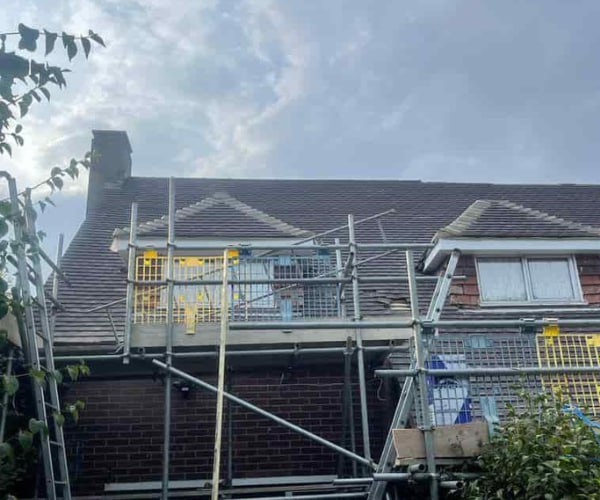
Leaking Roof Repairs After Heavy Rain: What Homeowners Should Look For
Heavy rain can expose weaknesses in a roof that may have gone unnoticed during drier weather. Water stains on ceilings, damp patches in loft spaces and dripping around roof windows can all indicate that rainwater is finding its way into the property. While some leaks appear immediately, others develop gradually as moisture travels beneath roof coverings before becoming visible indoors.
For homeowners in Cudworth, South Yorkshire, identifying the signs of a leaking roof early can help prevent further damage to ceilings, insulation and timber components. Understanding what to look for and when to arrange professional repairs is an important part of maintaining a weatherproof home.
Common Signs of a Roof Leak After Heavy Rain
The first indication of a roof leak is not always a steady drip from the ceiling. Water can enter through a small opening and travel along roof timbers or other surfaces before appearing elsewhere.
Look out for these common warning signs:
- Brown or yellow ceiling stains: Discolouration may indicate that water has repeatedly soaked into plasterboard or plaster.
- Damp patches on walls: Moisture near the top of an external wall can sometimes originate from a roof defect rather than a plumbing issue.
- Dripping water: Active leaks during or shortly after rainfall suggest that rainwater may be entering through damaged roofing materials or vulnerable joints.
- Damp insulation in the loft: Wet or compressed insulation can indicate water penetration and may lose some of its insulating effectiveness.
- Peeling paint or bubbling plaster: Repeated exposure to moisture can cause internal finishes to deteriorate.
- Musty smells: Persistent dampness in a loft or upper room may indicate a leak that has not yet produced an obvious stain.
These signs should not be ignored, particularly if they become more noticeable after each period of heavy rain.
What Causes Roof Leaks After Heavy Rain?
Several roofing problems can allow water to enter a property when rainfall is persistent or intense.
Damaged or Displaced Roof Tiles
Cracked, slipped or missing tiles can expose the layers beneath the roof covering. Wind may loosen tiles, while age and general wear can gradually weaken them. Even a relatively small gap can allow rainwater to reach the underlying structure.
Faulty Flashing Around Chimneys and Roof Features
Flashing helps seal the junctions between roofing materials and features such as chimneys, roof windows and adjoining walls. If flashing becomes loose, cracked or deteriorated, water may enter around these vulnerable points.
Blocked or Damaged Gutters
Gutters are designed to carry rainwater away from the roof and walls. When they become blocked with leaves and debris, water can overflow and collect near the roof edge. Damaged gutters or poorly connected joints can also allow water to reach areas where it may cause dampness.
Problems with Roof Valleys
Roof valleys direct water away from the meeting points between sloping roof sections. Because they handle concentrated water flow, damaged coverings, accumulated debris or deteriorated joints can increase the risk of leaks during heavy rainfall.
Worn Flat Roofing Materials
Flat roofs may develop cracks, splits, lifting edges or weaknesses around outlets and joints. Water can collect where drainage is inadequate, making existing defects more likely to cause problems during prolonged wet weather.
What to Do If You Discover a Roof Leak
If you notice water entering your home, prioritise safety before investigating the cause. Do not climb onto a wet roof or use a ladder to inspect damaged areas, as slippery surfaces and loose materials can make access dangerous.
Where safe, move furniture and belongings away from the affected area and use a container to collect dripping water. If the ceiling is bulging or sagging, keep clear because saturated materials may become unstable. If water is close to electrical fittings, avoid touching the affected equipment and seek appropriate professional assistance.
You can check the loft from a safe position if access is straightforward, but avoid stepping onto exposed joists or disturbing wet insulation. Look for obvious dampness or water marks without attempting to move roofing materials.
Photographs taken safely from indoors or ground level can help explain the problem when contacting a roofing specialist. If the leak continues or the source is unclear, arrange a professional inspection promptly.
Why Professional Leaking Roof Repairs Matter
Water can travel some distance from the point where it enters the roof, so the location of an internal stain does not always identify the original defect. Repairing only the visible damage may leave the underlying cause unresolved.
A professional roofer can assess the roof covering, flashing, valleys, gutters and other vulnerable areas to identify where water is entering. The recommended work may involve replacing damaged tiles, repairing joints, restoring flashing or addressing a problem with the roof’s drainage.
Prompt repairs help limit continued water penetration and reduce the likelihood of further deterioration to internal finishes and roof components. Once the source of the leak has been addressed, any affected internal materials can be assessed and allowed to dry appropriately.
Preventing Future Roof Leaks
Regular roof maintenance can help identify potential problems before they lead to water entering the home. Periodically check for visible signs of displaced tiles, damaged gutters, accumulated debris and deterioration around chimneys or roof windows.
After severe weather, look for changes from ground level and pay attention to new damp patches indoors. Gutters should also be kept clear so rainwater can drain away effectively.
For homeowners in Cudworth, South Yorkshire, arranging a professional roof inspection when warning signs appear can help maintain the roof’s condition and identify defects before they become more extensive.
Conclusion
Heavy rain can reveal weaknesses in roofing materials, flashing, valleys and drainage systems. Recognising signs such as ceiling stains, damp insulation and dripping water allows homeowners to respond before further damage develops. Safe precautions and a professional assessment are essential when the source of a leak is uncertain.
If you have noticed a leaking roof after heavy rain, DHT Roofing Cudworth can help assess the problem and identify suitable repairs for your property in Cudworth, South Yorkshire. Get in touch to discuss your roofing concerns and arrange professional assistance.
Call us on: 01226 445 195
Click here to find out more about DHT Roofing Cudworth
Click here to complete our contact form and see how we can help with your roofing needs.